
Apprenticeship Program
The best way to learn farming is from farmers
The apprenticeship program gives you an opportunity to receive hands-on experience combined with reading, classes, and training that will help you decide if farming is a good fit for you. Apprentices work on local, sustainably-run farms, where they experience the day-to-day operations of a farm. They also take a non-credit online course and attend farm tours, meet new and experienced farmers, receive textbooks, and on-the-job and formal training from their host farmers. In essence, this program will help give you the basics you need to get started. Growing Growers’ apprentices need only a willingness to work hard and learn while they do it. Scroll down for answers to our most commonly asked questions!
Two Track Options Available
FARM APPRENTICESHIP
Cost: $500
Apprentice receives:
-Online course access (12 mo.)
-Books
-Participation in workshops & farm tours
Apprentice agrees to:
-Work 20-40 hours per week on production farm
(hours & pay agreed upon with host farm)
-8-10 hours of 1-on-1 training with host farmer
-Complete pre and post-skills evaluation
-Complete program evaluation at end of season
EXPLORE FARMING
Cost: $250
Explorer receives:
-Online course access (12 mo.)
-Books
-Participation in workshops & farm tours
Explorer agrees to:
-Work 4-8 hours per week on a non-profit farm
(hours + pay agreed upon with host farm)
-Complete pre and post-skills evaluation
-Complete program evaluation at end of season
Parts of an Apprenticeship
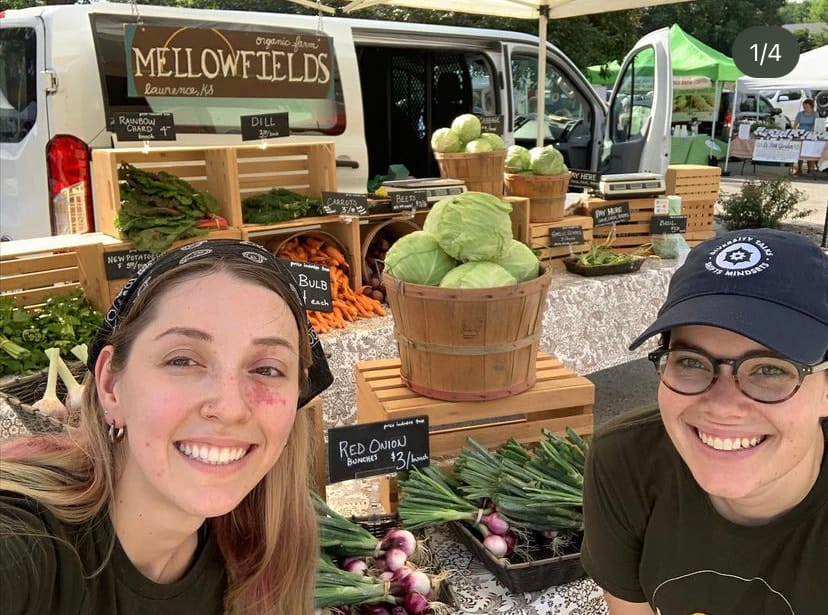
FIELD WORK
is a large component of the apprenticeship program, because it is a large component of farming. Some farms include apprentices in their marketing and sales department as well (farmers market, CSA packaging or delivery, restaurant sales, etc.). These positions are completely flexible and are entirely dependent on your agreement with the host farmer. Some apprentices work as volunteers on a minimal weekly basis while others accept full or part-time paid positions!
*Apprentices should contact potential host farmers prior to submitting an application, but this is not required! The host-farmer work relationship is independently managed from the Growing Growers program and we can help you find the best farmer for your needs.
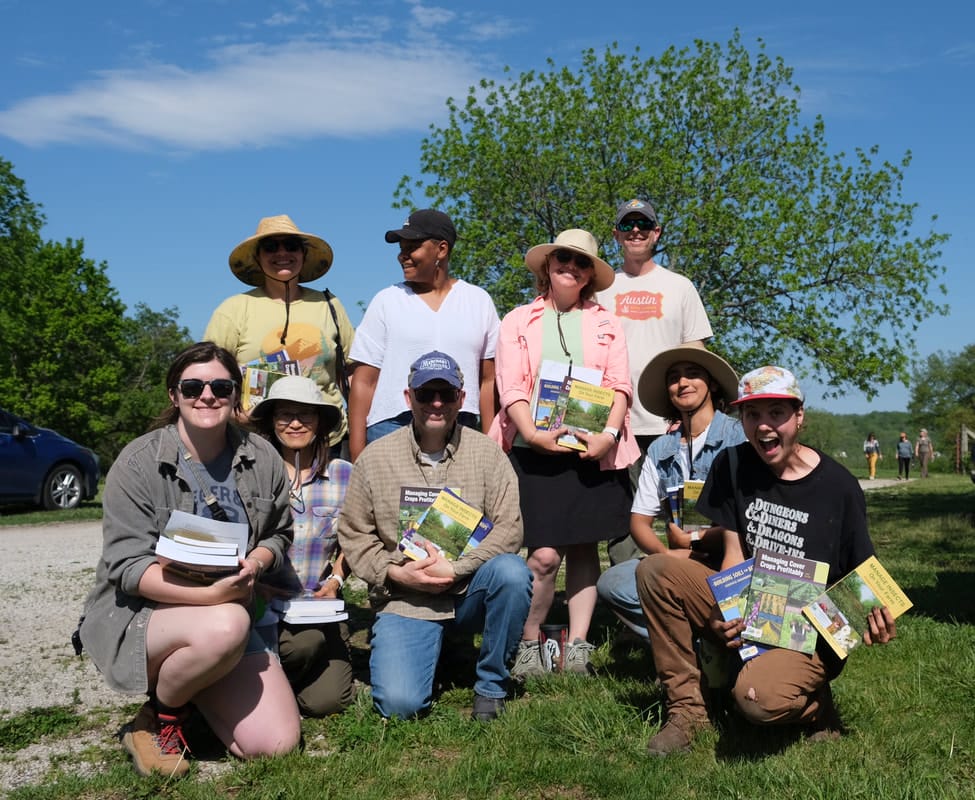
FARM TOURS are held monthly, February through September, cover topics relevant to sustainable farming. Farm tours include presentations by local farmers, extensions agents, and other experts. Over the course of the season, farm tours introduce ideas that help apprentices learn about growing food, as well as how to plan a farm business.
*Apprentices are required to attend 5 farm tours and are welcome to go to other Growing Growers elective workshops, agricultural conferences, or professional meetings for free. These electives allow apprentices to explore specific interests that may not be part of the core workshops.
The farm tours cover the metro area and apprentices need to cover the cost of driving to the workshops. Note: that may be as far as two hours away from the host farm.
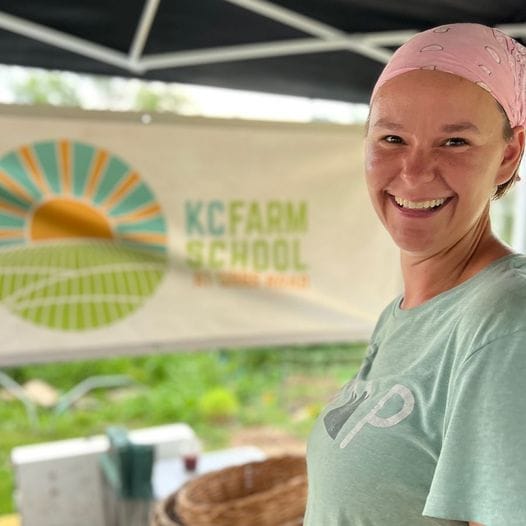
ONE-ON-ONE TRAINING In addition to training during the work day, apprentices receive 8-10 hours of focused, one-on-one training from their host farmer(s). This training is a way for host farmers to share the specifics of their farm. Any topics can be chosen and they can include skills like bee-keeping, budgeting, soil building, rotations, production planning, seed selection and ordering, equipment operation, organic certification, market planning, budgets, and more!
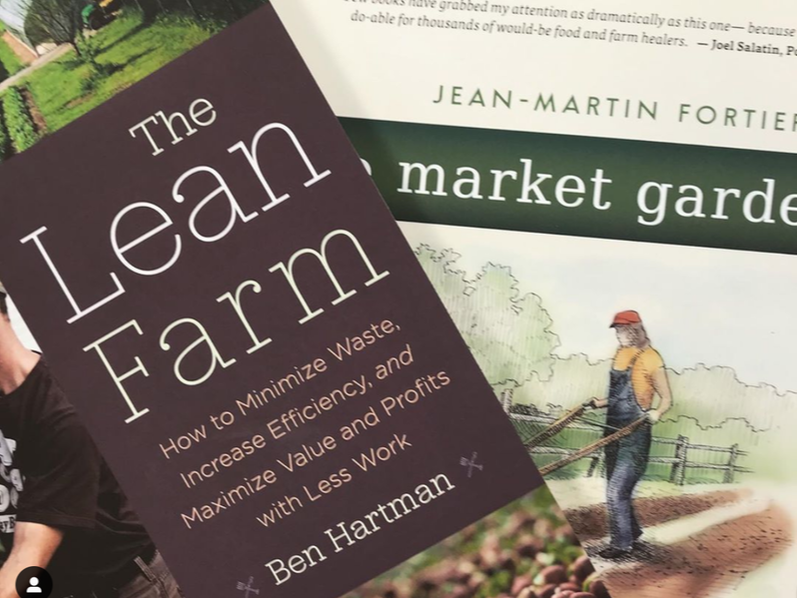
ONLINE COURSE & MATERIALS The Growing Grower’s core workshop material is now being presented as a non-credit online course through K-State Canvas. This will provide apprentices with lectures on twelve module topics, optional assignments and readings, discussion boards, and other supplemental materials all in one place! We will still be handing out books during the farm tours. These cover topics such as business planning, equipment, soils, pests and disease management, and other topics relevant to start-up growers. Each season’s curricula is slightly different and examples of textbooks include Jean-Martin Fortier’s The Market Gardener, Elliot Coleman’s The New Organic Grower, SARE’s Building Soils for Better Crops and MOSES’ Fearless Farm Finances.
*If apprentices fail to attend a farm tour, they will not receive the books
Frequently Asked Questions
See what our previous graduates are up to…
Many of our graduates have become farmers across the country. Several of our graduates have even become host farmers themselves, including Two Birds Farm, Mellowfields Urban Farm and Woodland City KC. Read more about some of our former apprentices by clicking the button below!